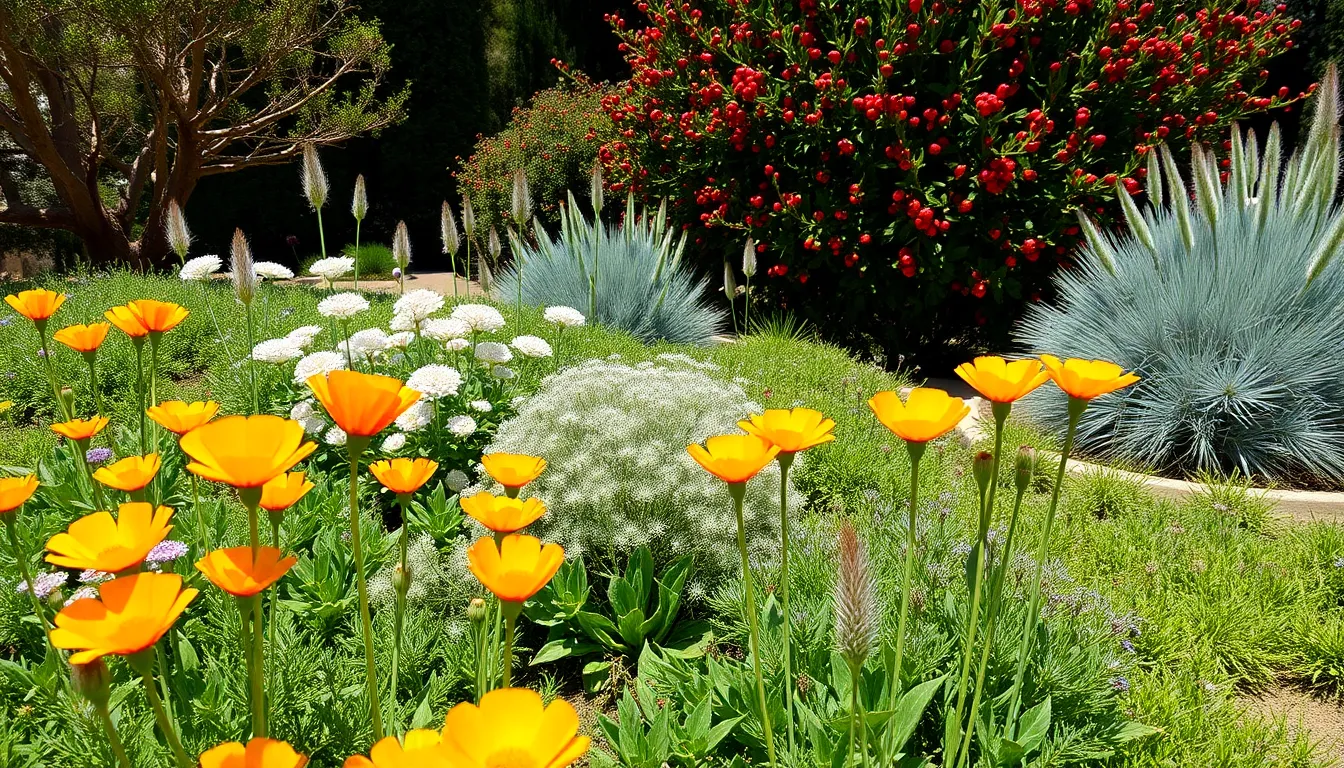
Picture this: You’re hiking a dusty California trail in late spring. The air smells like sage and sun-warmed earth. Suddenly, a flash of orange—California poppies—spills across the hillside. If you’ve ever wished you could bring that wild beauty home, you’re in the right place. This California native plants list with pictures isn’t just a catalog. It’s your ticket to a garden that buzzes with hummingbirds, saves water, and feels like a living piece of the Golden State.
Why Grow California Native Plants?
Let’s break it down. California native plants evolved here. They know the soil, the sun, the dry summers. They need less water, fewer chemicals, and almost no fuss. If you’ve ever struggled to keep a thirsty lawn alive, you’ll love how these plants thrive on neglect. Plus, they feed local bees, butterflies, and birds. Here’s the part nobody tells you: Native gardens aren’t just practical—they’re wild, surprising, and full of life.
Who Should Use This California Native Plants List With Pictures?
If you want a garden that’s easy, beautiful, and good for the planet, this list is for you. Maybe you’re a beginner who kills every houseplant. Maybe you’re a seasoned gardener tired of fighting nature. Or maybe you just want to see more butterflies. If you need a perfectly manicured yard, this might not be your thing. Native gardens are a little wild, a little messy, and totally worth it.
California Native Plants List With Pictures
Ready to meet your new favorite plants? Here’s a California native plants list with pictures, stories, and tips for each one. These aren’t just pretty faces—they’re survivors with personality.
1. California Poppy (Eschscholzia californica)

California’s state flower is pure sunshine. Its silky orange petals open with the morning and close at dusk. Scatter seeds in fall, ignore them, and by spring you’ll have a riot of color. Bees love them. So do kids. Pro tip: Don’t overwater—these poppies like it dry.
2. Manzanita (Arctostaphylos spp.)

Manzanita means “little apple” in Spanish, but these shrubs are all about the bark. Smooth, red, and cool to the touch, it peels in ribbons. In late winter, tiny pink urn-shaped flowers feed hummingbirds. Some stay low, hugging the ground. Others grow into small trees. If you want drama, plant a manzanita.
3. Toyon (Heteromeles arbutifolia)

Ever heard of “Hollywood”? The name comes from this plant, also called Christmas berry. In December, toyon bursts with red berries that feed birds all winter. Its leathery leaves stay green year-round. Plant one and you’ll have a living holiday decoration—no ladder required.
4. California Fuchsia (Epilobium canum)

If you want hummingbirds, this is your secret weapon. California fuchsia explodes with scarlet flowers in late summer, when everything else looks tired. It spreads fast, handles heat, and shrugs off drought. Cut it back in winter for a fresh flush of growth.
5. Ceanothus (California Lilac)

Ceanothus is the blue you didn’t know you needed. Some varieties grow as groundcovers, others as shrubs. In spring, they burst with clouds of tiny blue or white flowers that smell like honey. Bees go wild for them. Here’s why: Ceanothus fixes nitrogen in the soil, so it actually improves your dirt.
6. Matilija Poppy (Romneya coulteri)

People call this the “fried egg flower” for a reason. The petals are huge, white, and crinkled like tissue paper, with a sunny yellow center. Matilija poppy can get big—up to eight feet tall. It’s stubborn to start, but once it’s happy, it’ll take over. Plant it where you want a showstopper.
7. Douglas Iris (Iris douglasiana)

This iris brings purple magic to shady spots. It blooms in spring, with flowers that look almost painted. Douglas iris likes a little moisture but survives dry summers once established. If you’ve got a tricky, part-shade corner, try this one.
8. Sticky Monkey Flower (Diplacus aurantiacus)

With orange, yellow, or cream flowers, this plant looks like it belongs in a Dr. Seuss book. The leaves feel sticky—kids love that. It blooms for months and attracts butterflies. Plant it on a slope or in a rock garden for best results.
9. Blue-Eyed Grass (Sisyrinchium bellum)

Don’t let the name fool you—this isn’t a grass, but a tiny iris relative. In spring, it sends up starry blue flowers that close at night. Blue-eyed grass is perfect for borders or wildflower meadows. It’s tough, cute, and easy to grow from seed.
10. California Sagebrush (Artemisia californica)

Brush your hand over this plant and you’ll smell the chaparral. California sagebrush isn’t flashy, but it’s the backbone of coastal hills. It grows fast, needs almost no water, and gives your garden that wild, West Coast vibe. Bonus: It’s deer-resistant.
How to Start Your Own California Native Garden
Here’s the part nobody tells you: You don’t need to rip out your whole yard. Start small. Pick one or two plants from this California native plants list with pictures. Tuck them into a sunny spot. Water them the first year, then let them fend for themselves. Watch what happens. You’ll see more bees, more birds, and maybe even a neighbor asking, “What’s that?”
- Plant in fall for best results
- Skip fertilizer—natives don’t need it
- Mulch with wood chips to keep weeds down
- Be patient—some natives take a year to settle in
Common Mistakes and Lessons Learned
I’ll be honest: My first native garden looked like a patch of weeds. I overwatered, planted too close, and expected instant results. Here’s what I learned: Give plants space. Trust the process. Don’t panic if things look scruffy at first. Native gardens get better every year. If you want instant perfection, you’ll be disappointed. But if you stick with it, you’ll get a garden that feels alive.
Next Steps: Your California Native Plants Adventure
If you’ve made it this far, you’re ready to try something new. Use this California native plants list with pictures as your guide. Visit a local nursery or native plant sale. Ask questions. Get your hands dirty. You’ll make mistakes, but you’ll also discover a garden that’s wilder, easier, and more rewarding than you ever expected.
Ready to bring a piece of California home? Start with one plant. Watch what happens. Your garden—and your sense of wonder—will thank you.