Table of Contents
TogglePicture this: You’re walking barefoot through a patch of Texas prairie at sunrise. The air smells like warm earth and wildflowers. Under your feet, a tangle of roots and stems tells a story older than any city. If you’ve ever wondered what makes Texas feel like Texas, the answer is right beneath your feet—plants native to Texas. These aren’t just pretty faces in the landscape. They’re survivors, storytellers, and the secret to a yard that thrives without begging for water every week.
Why Plants Native to Texas Matter
Here’s the part nobody tells you: most of us grew up thinking a green lawn meant imported grass and thirsty shrubs. But plants native to Texas have been here for thousands of years, weathering drought, floods, and the occasional armadillo. They’re tough, beautiful, and they know how to handle Texas’ wild mood swings. If you’ve ever struggled to keep a garden alive in July, you’re not alone. Native plants are the answer you didn’t know you needed.
What Makes a Plant “Native”?
Let’s break it down. A plant is native to Texas if it grew here before people started importing plants from other places. These plants evolved with Texas’ soil, weather, and wildlife. They’re the original locals. Think of them as the old-timers who know all the shortcuts and secrets.
Meet the Stars: Iconic Plants Native to Texas
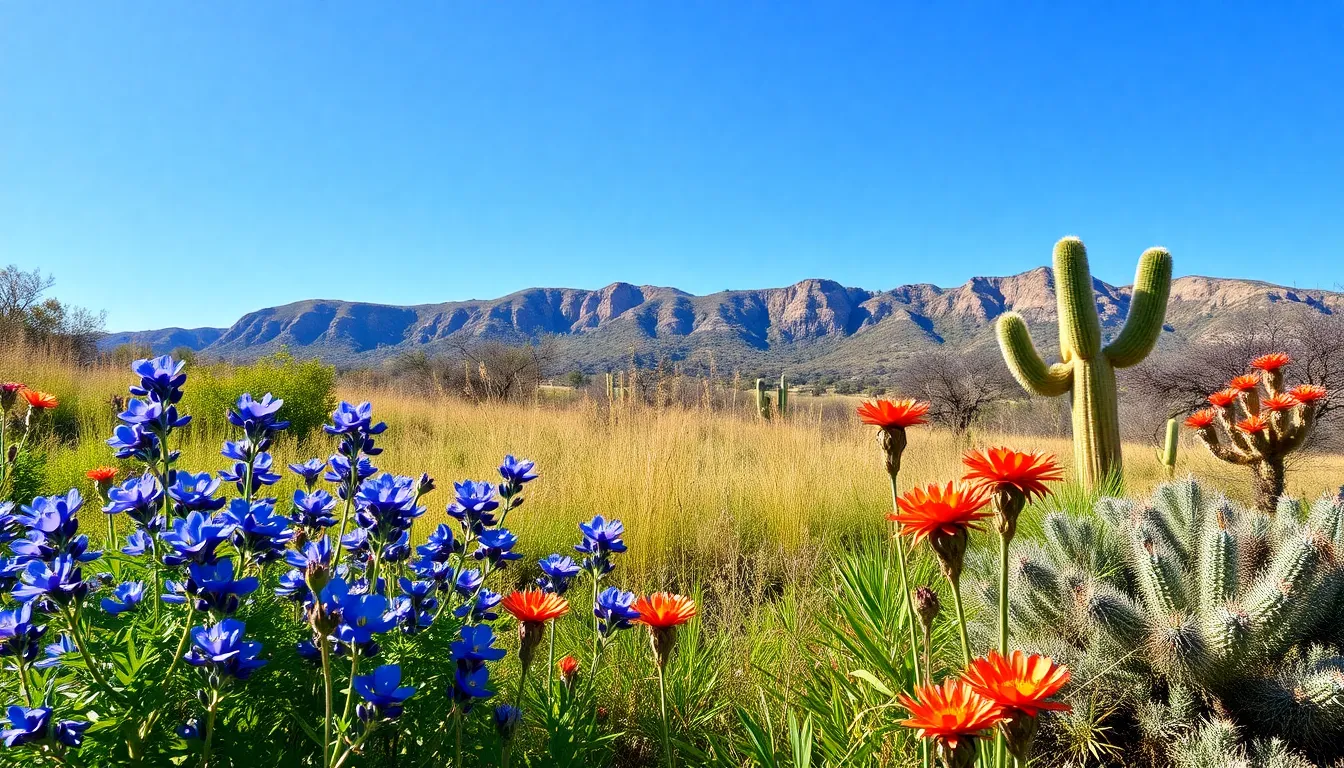
Texas is huge—bigger than France, in fact. So the list of plants native to Texas is long and full of surprises. Here are a few standouts you’ll spot from the Hill Country to the Piney Woods:
- Bluebonnet (Lupinus texensis): The state flower. Every spring, highways explode in blue. People pull over, snap photos, and sometimes get chased by fire ants. Worth it.
- Texas Sage (Leucophyllum frutescens): Silvery leaves, purple blooms, and a knack for thriving in dry, rocky soil. Locals call it “barometer bush” because it blooms before rain.
- Prickly Pear Cactus (Opuntia engelmannii): Edible pads and fruit, plus a built-in defense system. If you’ve ever tried to weed one barefoot, you know what I mean.
- Big Bluestem (Andropogon gerardii): Tall, waving grass that once covered the prairies. Bison loved it. So do pollinators.
- Texas Redbud (Cercis canadensis var. texensis): Heart-shaped leaves and magenta flowers. It’s the tree that says, “Spring is here.”
Each of these plants native to Texas brings something special—color, food for wildlife, or just a sense of place you can’t fake with imported roses.
What Happens When You Plant Natives?
Here’s why it matters. When you fill your yard with plants native to Texas, you’re not just saving water. You’re inviting butterflies, bees, and birds back home. You’re cutting down on fertilizer and pesticides. You’re making your life easier. I once tried to grow a Japanese maple in Austin. It lasted two summers, then gave up. My neighbor’s Texas mountain laurel? Still blooming, still happy, still zero drama.
Benefits You’ll Notice
- Less Watering: Native plants know how to handle drought. Your water bill will thank you.
- More Wildlife: Expect hummingbirds, monarchs, and songbirds. They love native blooms and seeds.
- Fewer Chemicals: No need for constant spraying. Natives resist local pests and diseases.
- Real Texas Beauty: Your yard will look like it belongs here, not like a golf course in New Jersey.
How to Start with Plants Native to Texas
If you’re new to gardening, start small. Pick one or two plants native to Texas and see how they do. You don’t need to rip out your whole yard overnight. Here’s a simple plan:
- Find your region. Texas has prairies, forests, deserts, and coast. What grows in El Paso won’t always work in Houston.
- Visit a local nursery. Ask for plants native to Texas. If they look confused, find another nursery.
- Plant in fall or early spring. Natives like to settle in before the heat hits.
- Water until established, then let them handle the weather.
Here’s a tip: Don’t get discouraged if things look scruffy at first. Native plants sometimes take a season to get going. But once they do, they’re unstoppable.
Common Mistakes (And How to Dodge Them)
I’ve made every mistake in the book. Here are a few you can skip:
- Overwatering: Most plants native to Texas hate soggy roots. Let the soil dry out between waterings.
- Wrong location: Sun-loving natives need full sun. Shade lovers need shade. Don’t mix them up.
- Ignoring soil: Some natives like rocky soil, others want clay. Check before you plant.
- Impatience: Natives grow deep roots first. You might not see much action up top for a while. Trust the process.
Who Should Grow Plants Native to Texas?
If you want a yard that survives Texas summers, attracts wildlife, and feels like home, this is for you. If you love mowing, spraying, and fighting nature, maybe stick with imported grass. But if you’re ready for less work and more beauty, native plants are your new best friends.
Where to Find More Information
Ready to dig deeper? Check out the Lady Bird Johnson Wildflower Center or your local extension office. They have lists, photos, and advice for every region. You’ll find more plants native to Texas than you ever imagined.
Final Thoughts: The Secret Under Your Feet
Here’s the truth: The best gardens in Texas don’t fight the land. They work with it. Plants native to Texas are the shortcut to a yard that’s beautiful, resilient, and full of life. Next time you see a patch of bluebonnets or a stand of prickly pear, remember—you’re looking at the real Texas, one root at a time.