Table of Contents
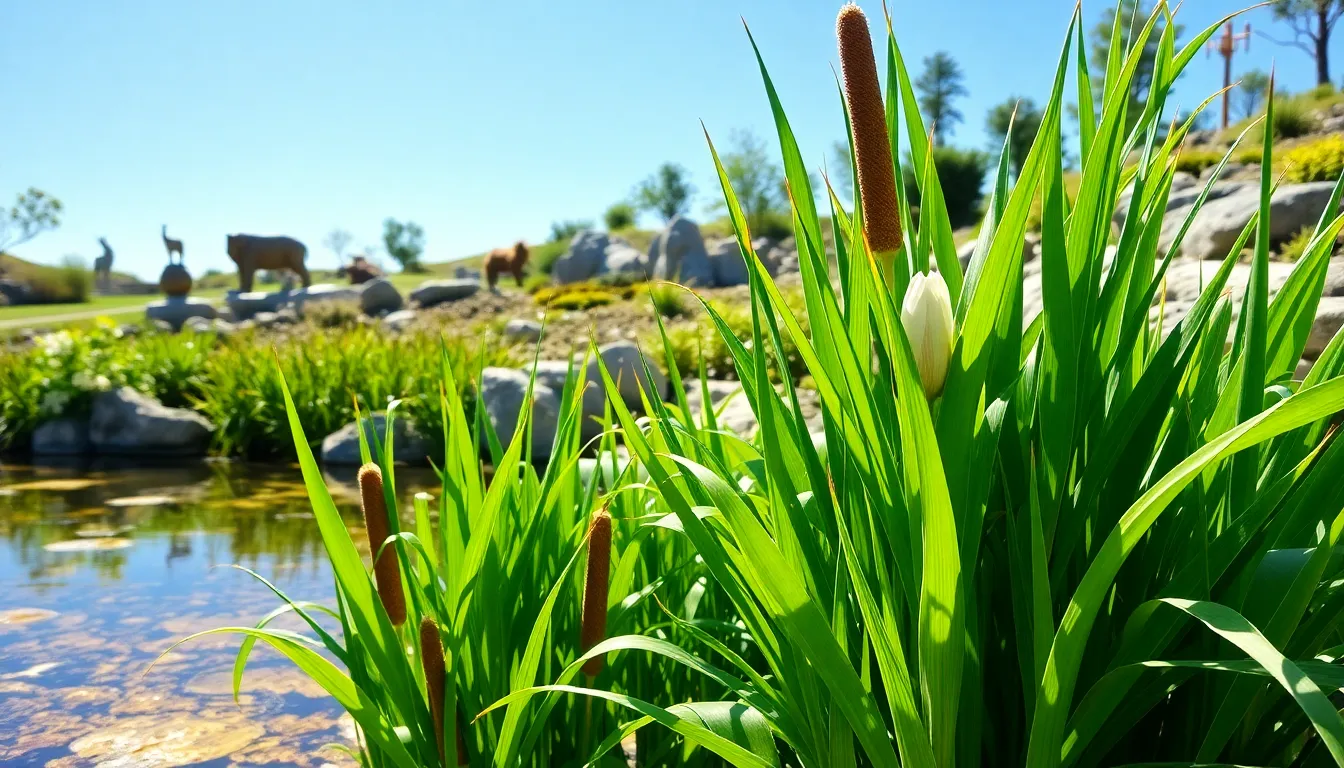
TogglePicture this: You’re standing ankle-deep in a sun-warmed pond, toes curling in the mud, and you spot a cluster of bright green leaves poking above the water’s surface. They’re not quite underwater, not quite on land—just thriving in the in-between. That’s the magic of semi aquatic plants. If you’ve ever tried to keep a houseplant alive and failed, or if you’ve wondered why your aquarium looks a little… lifeless, you’re in the right place. Semi aquatic plants might be the missing piece you never knew you needed.
What Are Semi Aquatic Plants?
Semi aquatic plants live with their roots in water and their leaves in the air. They’re the ultimate multitaskers—think of them as the amphibians of the plant world. You’ll find them along riverbanks, in marshes, and even in your favorite aquarium store. Unlike fully aquatic plants, they don’t need to be submerged all the time. But they love wet feet.
Here’s the part nobody tells you: these plants are survivors. They’ve adapted to handle floods, droughts, and everything in between. If you’ve ever struggled to keep a plant alive because you overwatered or underwatered, semi aquatic plants might just forgive you.
Why Choose Semi Aquatic Plants?
If you want a plant that’s hard to kill, looks great, and helps clean your water, semi aquatic plants are your new best friends. They’re perfect for:
- Aquariums and paludariums
- Ponds and water gardens
- Terrariums with high humidity
- People who forget to water (or water too much)
Here’s why: semi aquatic plants filter toxins, provide oxygen, and create hiding spots for fish and frogs. They also add a wild, lush look that’s hard to fake with plastic plants.
Types of Semi Aquatic Plants
Let’s break it down. Not all semi aquatic plants are created equal. Some love to keep their roots wet, while others can handle being submerged for weeks. Here are a few favorites:
1. Anubias
These tough little guys are almost impossible to kill. Their thick, dark leaves can handle low light and fluctuating water levels. I once forgot about an Anubias for a month—it still looked perfect.
2. Java Fern (Microsorum pteropus)
Java ferns thrive when their roots are attached to rocks or driftwood. They don’t need soil, and they’re happy half-in, half-out of the water. If you’re a beginner, start here.
3. Peace Lily (Spathiphyllum)
Surprised? Peace lilies can grow with their roots in water. They’re popular in “betta vases,” but they do better with their leaves above the surface. Just don’t let the whole plant sink.
4. Water Wisteria (Hygrophila difformis)
This plant grows fast and soaks up nutrients, which helps keep algae in check. It’s great for aquariums and can handle being planted or floating.
5. Lucky Bamboo (Dracaena sanderiana)
It’s not a true bamboo, but it loves wet feet. Keep the stems in water and the leaves in the air. It’s almost impossible to mess up.
How to Grow Semi Aquatic Plants
Here’s where most people mess up: they either drown the plant or let it dry out. The trick is to keep the roots wet and the leaves dry. Simple, right? Let’s get specific.
For Aquariums
- Anchor the roots in gravel or tie them to rocks
- Keep the leaves above water if the species prefers it
- Use gentle lighting—too much can cause algae
- Change water regularly to prevent rot
For Ponds and Water Gardens
- Plant at the water’s edge, where roots stay wet
- Use baskets to control growth
- Watch for pests like snails and aphids
For Terrariums
- Keep humidity high—mist daily if needed
- Use a shallow water tray for roots
- Don’t let leaves sit in water for long periods
If you’ve ever killed a plant by loving it too much, semi aquatic plants give you a second chance. They’re forgiving, but not invincible. Watch for yellow leaves (too much water) or crispy edges (not enough).
Common Mistakes and How to Avoid Them
I’ve made every mistake in the book. Here’s what I wish someone had told me:
- Don’t bury the crown: The spot where roots meet stem should stay above the substrate, or it’ll rot.
- Don’t use tap water with chlorine: It can burn roots. Use dechlorinated or filtered water.
- Don’t let water stagnate: Stale water breeds bacteria. Change it weekly.
- Don’t overcrowd: Give each plant space to breathe and grow.
Here’s the part nobody tells you: sometimes, plants just die. It’s not always your fault. Try again with a different species or tweak your setup. Every failed plant is a lesson.
Who Should (and Shouldn’t) Grow Semi Aquatic Plants?
If you love the look of lush greenery but hate fussy care routines, semi aquatic plants are for you. They’re perfect for busy people, forgetful waterers, and anyone who wants to add life to a tank or pond. If you want a plant that thrives on neglect, you’ll love them.
But if you want a plant that blooms year-round or hates getting its feet wet, look elsewhere. Semi aquatic plants are about foliage, not flowers. They’re not for people who want instant results—growth can be slow, especially at first.
Tips for Success with Semi Aquatic Plants
- Start with hardy species like Anubias or Java fern
- Use a timer for lights to mimic natural cycles
- Fertilize sparingly—too much can cause algae
- Trim dead leaves to prevent rot
- Experiment with placement—some plants like more sun, others less
Here’s a secret: the best setups come from trial and error. Don’t be afraid to move things around or try new species. The more you experiment, the better you’ll get.
Final Thoughts: The Joy of the In-Between
Semi aquatic plants live in the space between land and water. They’re not just pretty—they’re tough, adaptable, and forgiving. If you’ve ever felt stuck between two worlds, you’ll appreciate their resilience. Try adding a few to your home or garden. You might just find they thrive where nothing else will.