Table of Contents
TogglePicture this: You’re hiking a quiet Pennsylvania trail in early May. The air smells like rain and moss. Suddenly, a flash of blue catches your eye—wild columbine, its petals dangling like tiny lanterns. You kneel for a closer look, and realize you’re surrounded by native Pennsylvania plants, each with a story older than the state itself. If you’ve ever wondered what makes Pennsylvania’s wild spaces so rich, or why your garden never quite feels “right” with store-bought plants, you’re about to discover the secret: native Pennsylvania plants are the backbone of the Keystone State’s natural beauty.
Why Native Pennsylvania Plants Matter
Let’s break it down. Native Pennsylvania plants evolved here over thousands of years. They know the soil, the weather, the bugs, and the birds. When you plant them, you’re not just adding color—you’re rebuilding a living web. Birds find food. Bees get pollen. Your yard needs less water and almost no chemicals. Here’s the part nobody tells you: native Pennsylvania plants can actually make your life easier and your garden wilder, in the best way.
What Counts as a Native Pennsylvania Plant?
Not every wildflower or tree you see is truly native. A native Pennsylvania plant is one that grew here before European settlers arrived. Think of it as the original cast of characters. These plants shaped the forests, meadows, and wetlands long before lawns and highways. Some, like the mountain laurel, are so iconic they’re state symbols. Others, like the pawpaw tree, hide in plain sight, waiting for someone curious enough to taste their custard-like fruit.
Top Native Pennsylvania Plants to Know
If you want to bring a piece of Pennsylvania’s wild heart to your yard, start with these standouts. Each one supports local wildlife and thrives in the state’s climate.
- Mountain Laurel (Kalmia latifolia): The state flower. Its pink and white blooms light up shady woods in June. Deer usually leave it alone.
- Eastern Redbud (Cercis canadensis): In April, this small tree explodes with magenta flowers. Bees love it. So do people who want a pop of color before most trees leaf out.
- Wild Columbine (Aquilegia canadensis): Hummingbirds can’t resist its red and yellow flowers. It grows in rocky soil and partial shade—perfect for tricky spots.
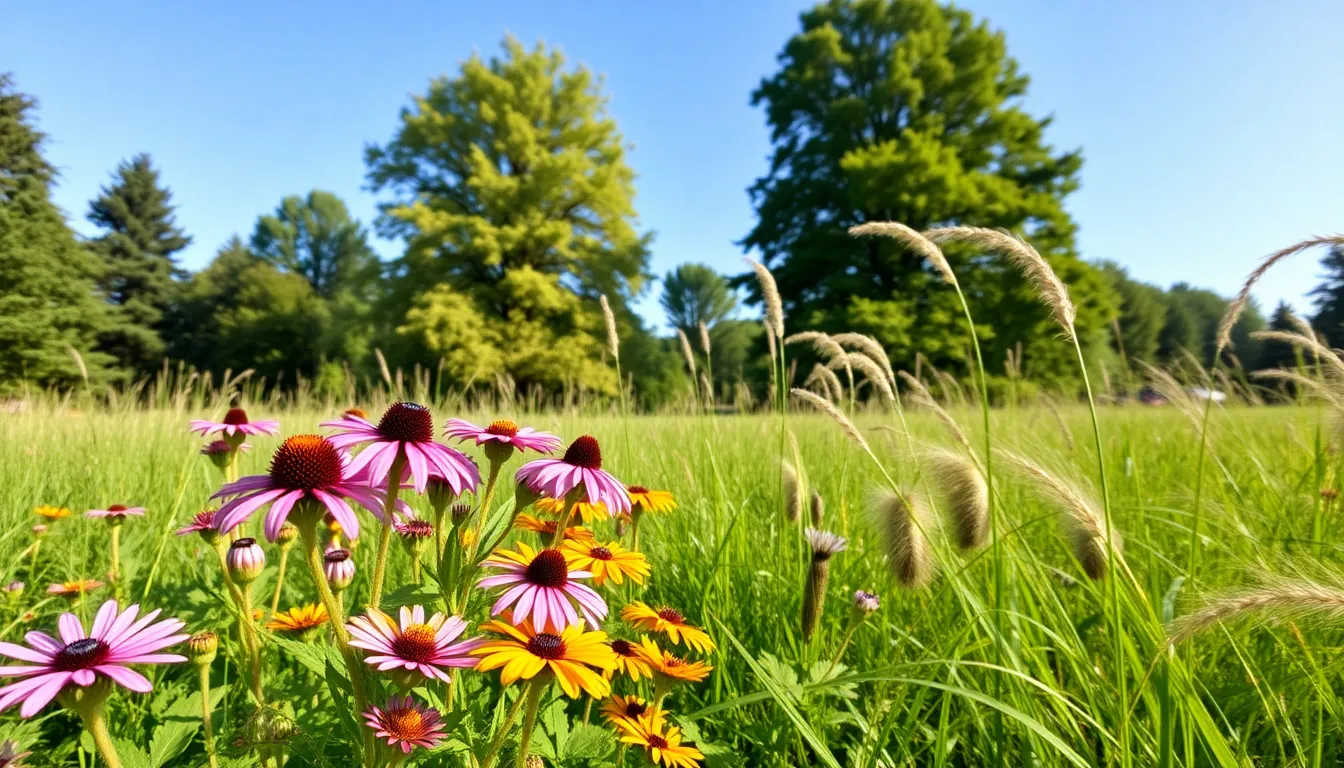
- Black-eyed Susan (Rudbeckia hirta): These golden daisies bloom for months. They attract butterflies and look great in bouquets.
- Pawpaw (Asimina triloba): This small tree produces fruit that tastes like banana and mango. It’s a favorite of the zebra swallowtail butterfly.
- Switchgrass (Panicum virgatum): A tall, airy grass that feeds birds and holds soil in place. It’s tough enough for city lots and country fields.
- Virginia Bluebells (Mertensia virginica): In early spring, these blue flowers carpet moist woods. They fade by summer, making room for other plants.
Here’s why these native Pennsylvania plants matter: they’re not just pretty faces. Each one supports a web of life. If you’ve ever watched a goldfinch pick seeds from a coneflower, you’ve seen this in action.
Common Mistakes When Planting Native Pennsylvania Plants
Let’s be honest. Most of us have killed a plant or two. Maybe you bought a “native” wildflower mix, only to watch it flop. Or you planted a tree in the wrong spot and wondered why it never grew. Here’s what I wish someone had told me:
- Don’t trust every label. Some nurseries sell “native” plants that are actually cultivars or hybrids. Always check the scientific name.
- Right plant, right place. Even native Pennsylvania plants need the right conditions. Sun-lovers won’t thrive in deep shade. Wetland plants die in dry soil.
- Patience pays off. Native plants often grow slowly at first. They’re building deep roots. Give them time, and they’ll reward you with years of beauty.
If you’ve ever struggled with a fussy garden, native Pennsylvania plants might be your answer. They’re tough, forgiving, and full of surprises.
How to Start Your Own Native Pennsylvania Plant Garden
Ready to get your hands dirty? Here’s a simple plan:
- Observe your space. Notice how much sun, shade, and moisture you have. Take notes for a week.
- Pick a few starter plants. Choose three to five native Pennsylvania plants that match your conditions. Don’t go overboard at first.
- Source responsibly. Buy from local nurseries that specialize in native plants. Avoid digging up wild plants—they’re needed in nature.
- Plant in groups. Clump the same species together. This looks natural and helps pollinators find them.
- Skip the chemicals. Native Pennsylvania plants rarely need fertilizer or pesticides. Let nature do the work.
Here’s the part nobody tells you: your garden might look a little wild at first. That’s good. Native Pennsylvania plants attract life—birds, bees, even fireflies. You’ll start to notice new visitors every week.
Who Should (and Shouldn’t) Grow Native Pennsylvania Plants?
If you love order, symmetry, and instant results, native Pennsylvania plants might test your patience. They sprawl, self-seed, and sometimes look messy. But if you crave a yard that buzzes with life, or you want to help the planet without preaching, these plants are for you. They’re perfect for families, birdwatchers, and anyone tired of mowing grass.
Not for you? That’s okay. But if you’re even a little curious, try planting just one native Pennsylvania plant. Watch what happens. You might get hooked.
Unique Insights: The Secret Life of Native Pennsylvania Plants
Here’s something you won’t find on a plant tag: native Pennsylvania plants have hidden talents. Some, like milkweed, host monarch butterfly caterpillars. Others, like spicebush, fill the air with lemony scent after rain. Even the humble goldenrod, often blamed for allergies, actually supports dozens of pollinators and rarely causes sneezing (that’s ragweed’s fault).
Want to impress your friends? Tell them that Pennsylvania’s forests once held American chestnut trees so massive, two people couldn’t wrap their arms around them. Blight wiped them out, but native plant lovers are working to bring them back. Every native Pennsylvania plant you grow is a small act of hope.
Next Steps: Bringing Native Pennsylvania Plants Home
Start small. Visit a local native plant sale or botanical garden. Ask questions. Take photos. If you make mistakes, laugh and try again. The best gardens are full of stories—of plants that thrived, flopped, or surprised you. Native Pennsylvania plants connect you to the land and to generations of people who loved it before you.
So, if you’re ready to trade a bland lawn for a living landscape, native Pennsylvania plants are waiting. They’ll teach you patience, reward you with beauty, and maybe even change the way you see your own backyard.