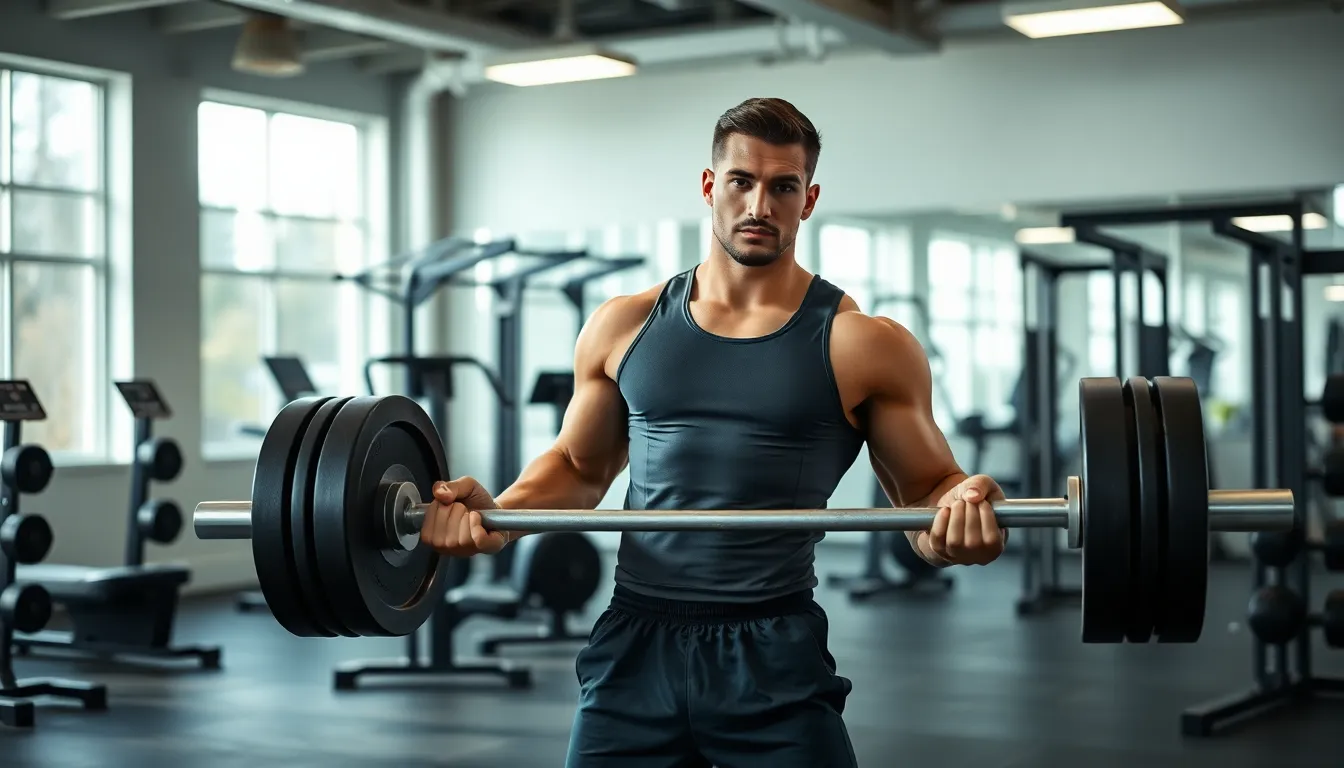
When you think of a fit male, what springs to mind? Is it the six-pack abs, the endless energy, or perhaps the ability to lift a grand piano by himself? Jokes aside, being fit goes way beyond just looks. It’s about a holistic approach to health that combines physical prowess, mental strength, and nutritional wisdom. Whether he’s chasing personal records in the gym or aiming to ward off mid-afternoon slumps, understanding what defines a fit male can provide the roadmap to achieving peak performance. Ready to jump into the world of fitness? Let’s get started.
What Defines a Fit Male?
Physical Characteristics
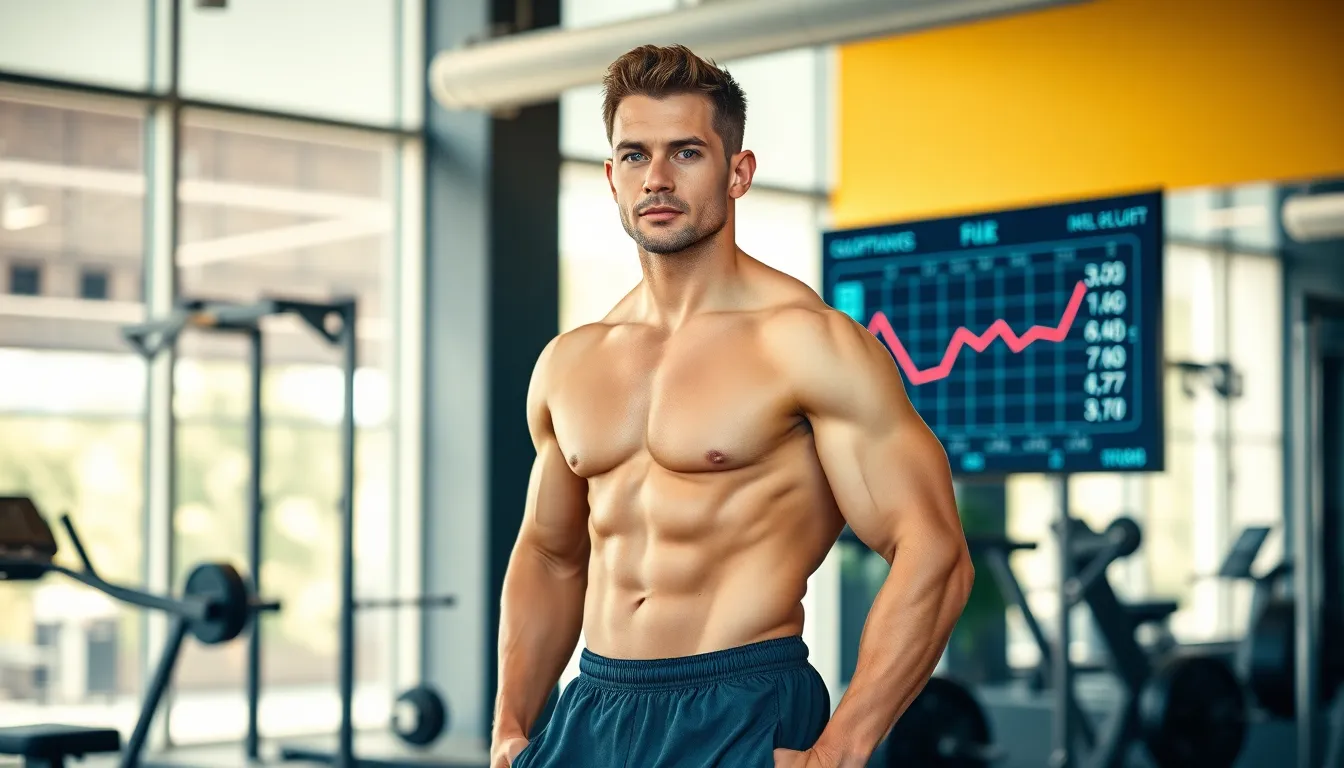
A fit male generally showcases a combination of strong physique and agility. It’s not just about being buff: it’s about functional strength. He should be able to perform a range of activities, from lifting heavy weights to sprinting short distances with ease. Ideal body composition isn’t solely defined by muscularity but by the right balance between muscle and body fat.
Body Composition and Muscle Mass
Muscle mass plays a pivotal role in determining fitness levels. Ideally, a fit male not only has visible muscle but maintains a healthy percentage of body fat. How do you know if you’re in the elite fit club? Body Mass Index (BMI), while sometimes misleading, can provide a general idea. More critically, body composition measurements can reveal insights into fat versus muscle ratio. A higher muscle-to-fat ratio typically signals better fitness and metabolic rates.
Cardiovascular Health
Cardiovascular health is another cornerstone of being fit. An individual’s heart health should be robust, as this directly impacts their endurance and performance during workouts. Regular cardio exercises promote heart health, improve lung capacity, and boost stamina, allowing for longer and more intense sessions at the gym or on the field.
Mental and Emotional Fitness
Importance of Mental Well-Being
Fitness isn’t just skin deep: mental resilience is vital too. A fit male possesses sharp mental faculties and emotional stability. He’s not just physically active: he knows how to harness mental clarity to achieve his fitness goals. How? Maintaining mental well-being through mindfulness can spell the difference between overwhelming stress and a calm, focused workout.
Stress Management Techniques
Life throws curveballs. From work pressures to personal issues, stress can hinder progress. Fit males often employ stress management techniques such as breathing exercises, meditation, and even engaging in hobbies. These practices not only preserve mental health but significantly enhance their workout performance. Remember, a clear mind facilitates a stronger body.
Cultivating a Positive Mindset
Attitude is everything in fitness. A fit male embraces a proactive mindset, focusing on goals and celebrating small victories along the way. Surrounding himself with positive influences also aids in maintaining a motivation level that fuels the desire to work out.
Fitness Routines for the Fit Male
Strength Training Essentials
A routine that builds strength is non-negotiable for any fit male. This can involve weight lifting, resistance band workouts, or utilizing body weight for exercises like push-ups and pull-ups. Consistency in strength training, ideally structured into a well-rounded program, helps in maximizing muscle growth and definition.
Cardio Workouts
Cardio workouts are essential for heart health and fat loss. Incorporating various forms, such as running, swimming, cycling, or high-intensity interval training (HIIT), can keep things fresh and engaging. The goal should be a mix of moderate-intensity workouts and vigorous efforts, ensuring comprehensive cardiovascular conditioning.
Flexibility and Mobility Exercises
Flexibility shouldn’t be overlooked. Fit males often include stretching routines, yoga sessions, or dynamic flexibility exercises into their regimen. This fosters improved range of motion, reducing the risk of injuries and promoting better workout efficiency.
Nutrition for Optimal Health
Macronutrients and Micronutrients
Nutrition plays a crucial role in fitness. A fit male should focus on a balanced intake of macronutrients: carbohydrates, proteins, and fats. Each serves its own function, from fueling workouts to aiding recovery. Just as essential are micronutrients, which are necessary for various bodily functions, boosting immunity, and energy levels.
Meal Planning and Preparation
Meal prepping can save time and enhance nutrient intake. A well-organized meal plan makes it easier to ensure proper nutrients are consumed to support an active lifestyle. Also, preparing meals in advance prevents the dreaded last-minute takeout. Healthy snacks and meals can mean the difference between staying on track with dietary goals or veering into temptation.
Supplements and Their Role
Many athletes consider supplements as part of their nutrition strategy. While whole foods are paramount, certain supplements like protein powders, omega-3 fatty acids, and vitamins can fill gaps in nutrition or support recovery. But, it’s important to consult professionals to determine what’s best and avoid unnecessary reliance on supplements.
Maintaining a Fit Lifestyle
Setting Realistic Goals
One key to a lasting fit lifestyle is setting realistic, achievable goals. Unrealistic benchmarks can lead to frustration and burnout. Instead, by carving out small, attainable targets, a fit male can enjoy the journey, feeling a sense of accomplishment that propels him forward.
Tracking Progress Effectively
Tracking fitness progress isn’t just a chore: it’s an essential part of success. Whether through fitness apps, daily journals, or engaging with a workout buddy, monitoring advancements helps keep motivation levels high. Celebrate milestones, and reevaluate goals for continual improvement.
Creating a Supportive Environment
A supportive environment can make all the difference. Surrounding oneself with like-minded individuals who share similar fitness goals encourages accountability. Whether it’s a workout partner, a group class, or even online communities, shared experiences often lead to greater motivation and enjoyment in fitness pursuits.