Table of Contents
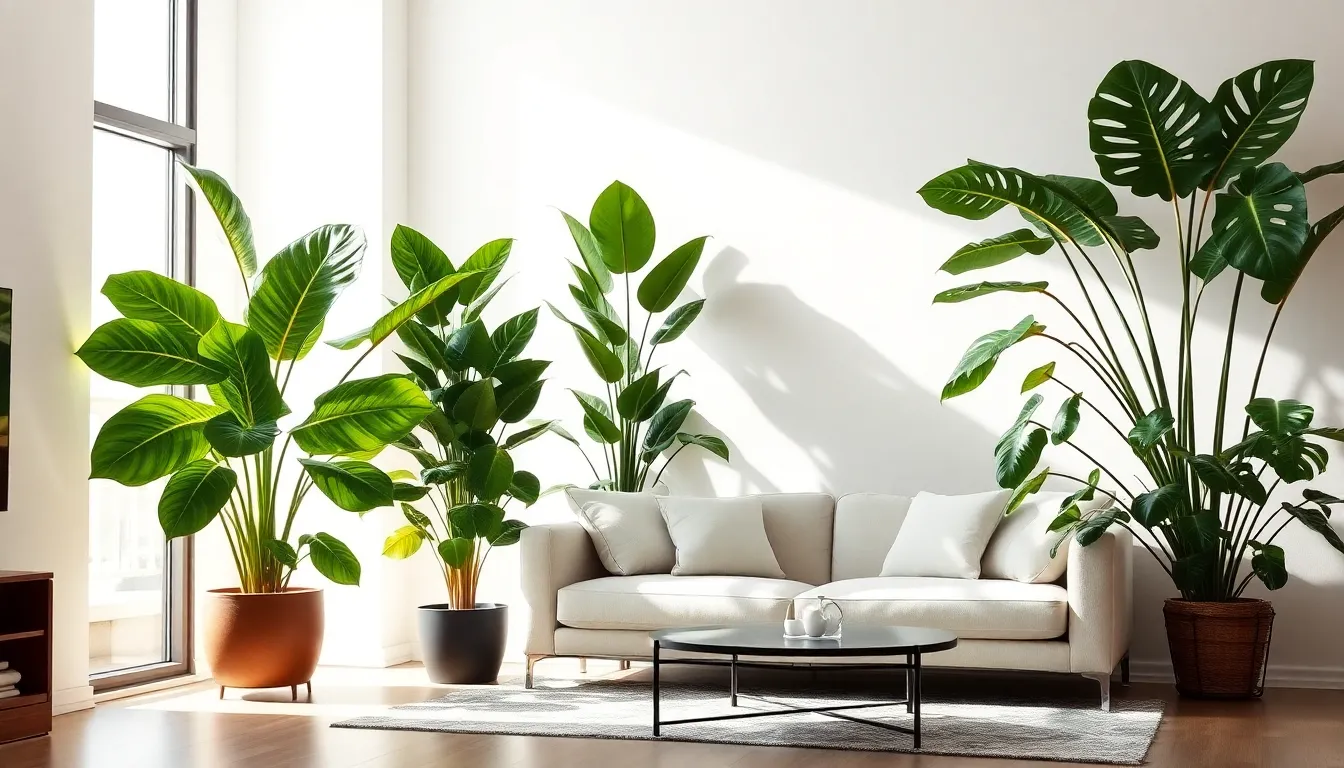
TogglePicture this: You walk into your living room after a long day. The air feels fresher. A giant Monstera leaf catches the sunlight, casting wild shadows on the wall. You breathe deeper. That’s the magic of indoor plants large enough to make a statement. They don’t just fill space—they change how you feel in it. If you’ve ever wondered why some rooms feel alive and others fall flat, the answer might be as simple as a big, leafy friend in the corner.
Why Large Indoor Plants Matter
Let’s be honest—tiny succulents are cute, but they rarely change the vibe of a room. Large indoor plants do. They anchor a space, draw the eye, and even improve your mood. Studies from NASA and Harvard back this up: big plants clean the air, reduce stress, and boost creativity. If you’ve ever felt stuck or uninspired at home, a towering fiddle leaf fig or a lush bird of paradise might be the missing piece.
Here’s the part nobody tells you: big plants aren’t just for people with huge homes. Even a small apartment can handle a statement plant. The trick is picking the right one and giving it a spot where it can shine.
Who Should (and Shouldn’t) Get Large Indoor Plants
If you love bold design, crave a sense of calm, or want to impress guests, large indoor plants are for you. They’re perfect for:
- Open-plan living rooms that need a focal point
- Home offices that feel stale or uninspired
- Bedrooms that could use a touch of nature
- Anyone who wants cleaner air and a happier mood
But let’s be real. If you travel constantly, forget to water your plants, or have a cat that thinks every leaf is a snack, you might want to start smaller. Big plants need a bit more attention. They’re not high-maintenance, but they do need regular care.
Top Large Indoor Plants to Transform Your Space
Ready to go big? Here are some of the best indoor plants large enough to make an impact, with real-life stories and tips for each.
1. Fiddle Leaf Fig (Ficus lyrata)
These glossy, violin-shaped leaves are Instagram-famous for a reason. I once killed two before I learned the secret: they hate cold drafts and love indirect light. If you can keep them warm and water only when the top inch of soil is dry, they’ll reward you with dramatic growth.
2. Monstera Deliciosa
Also called the Swiss cheese plant, Monstera’s split leaves look wild and tropical. My friend Sarah swears hers grew three feet in a year after she started misting it weekly. Give it bright, filtered light and watch it take over a corner—literally.
3. Bird of Paradise (Strelitzia reginae)
Want a plant that looks like it belongs in a resort? Bird of paradise has huge, paddle-shaped leaves and can reach six feet indoors. It loves sunlight, so put it near a south-facing window. Pro tip: wipe the leaves with a damp cloth to keep them glossy.
4. Rubber Plant (Ficus elastica)
Rubber plants are tough. I once forgot to water mine for two weeks, and it barely noticed. Their deep green leaves add drama, and they can grow up to eight feet tall. They’re perfect for beginners who want indoor plants large enough to impress but easy enough to survive a little neglect.
5. Kentia Palm (Howea forsteriana)
If you want a touch of old Hollywood, the Kentia palm is your plant. Its feathery fronds bring instant elegance. It tolerates low light and dry air, making it ideal for apartments. Just don’t overwater—palms like to dry out between drinks.
How to Care for Large Indoor Plants
Here’s where most people mess up. Big plants need more than just water. They need the right spot, the right pot, and a little attention. Let’s break it down:
- Light: Most large indoor plants love bright, indirect light. Too much sun scorches leaves; too little stunts growth.
- Water: Stick your finger in the soil. If the top inch is dry, it’s time to water. Overwatering is the fastest way to kill a big plant.
- Humidity: Many large plants come from tropical places. Mist leaves or use a humidifier if your home is dry.
- Feeding: Use a balanced liquid fertilizer every month during spring and summer. Skip winter—plants rest then.
- Repotting: When roots poke out of the pot, it’s time to size up. Don’t wait too long—cramped roots mean slow growth.
If you’ve ever struggled with brown tips or droopy leaves, you’re not alone. I once lost a gorgeous palm to root rot because I thought “more water = more growth.” Lesson learned: less is often more.
Design Tips: Making Large Indoor Plants Work for You
Here’s the fun part. Big plants aren’t just greenery—they’re design tools. Want to hide an ugly radiator? Place a tall rubber plant in front. Need to break up an open space? Use a cluster of monsteras and palms as a living room divider.
Try these ideas:
- Pair a tall plant with a low bench for instant drama
- Use a statement pot—think bold colors or textured ceramics
- Group plants of different heights for a lush, layered look
- Hang string lights through the leaves for cozy evenings
Don’t be afraid to move your plants around. Sometimes a new spot brings out the best in them—and in your space.
Common Mistakes (and How to Avoid Them)
Let’s get real. Everyone makes mistakes with indoor plants large or small. Here are the big ones:
- Overwatering: Most big plants die from too much love, not too little. Always check the soil first.
- Ignoring pests: Spider mites and scale love big leaves. Wipe leaves and check for bugs every month.
- Bad lighting: If your plant looks sad, try moving it closer to a window. Light fixes more problems than you think.
- Wrong pot size: Too small, and roots get cramped. Too big, and soil stays soggy. Go up one size at a time.
Here’s what nobody tells you: even plant experts lose a few along the way. Don’t let one wilted leaf stop you. Every mistake is a lesson—and a story to share.
Next Steps: Bringing Large Indoor Plants Home
If you’re ready to try indoor plants large enough to change your space, start with one. Visit a local nursery and see what catches your eye. Ask about care, and don’t be afraid to admit you’re new to this. Most plant people love to help.
Remember, the best plant is the one you’ll actually care for. Start with a rubber plant or Monstera if you want easy wins. Go for a fiddle leaf fig if you’re up for a challenge. Either way, you’ll get cleaner air, a calmer mind, and a home that feels more alive.
So, what’s stopping you? Your next favorite roommate might just be green, leafy, and taller than you think.