Table of Contents
TogglePicture this: It’s July in Illinois. The sun’s beating down, cicadas are buzzing, and a patch of purple coneflowers sways in the breeze. Goldfinches dart between the blooms, and a monarch butterfly lands on a milkweed leaf. This isn’t a scene from a nature preserve—it’s someone’s front yard. If you’ve ever wondered why some gardens seem to hum with life while others sit silent, native Illinois plants are the secret sauce. They’re not just pretty faces; they’re the backbone of a living, breathing landscape.
Why Native Illinois Plants Matter
Let’s get this out of the way: native Illinois plants aren’t just for wildflower nerds or people who want to save the planet (though, hey, that’s a nice bonus). They’re for anyone who wants a yard that’s easier to care for, more resilient, and full of life. Here’s why.
They’re Built for Illinois
Native Illinois plants evolved right here. They know the drill—hot summers, icy winters, clay soil, and all. Unlike imported plants that need babying, natives thrive on what Illinois throws at them. You’ll water less, fertilize less, and spend less time fighting off pests. That’s more time for lemonade on the porch.
They Feed the Locals
Here’s the part nobody tells you: most birds and pollinators can’t survive on exotic plants. Monarch caterpillars need milkweed. Goldfinches love coneflower seeds. Even fireflies (yes, those magical summer lights) need native grasses to complete their life cycle. When you plant native Illinois plants, you’re setting the table for the whole neighborhood—feathered, fuzzy, and six-legged guests included.
They Save You Money and Headaches
If you’ve ever spent a fortune on annuals that wilt by August, you know the pain. Native Illinois plants come back year after year. They’re tough. They handle drought, floods, and even the occasional trampling by kids or dogs. Plus, they don’t need chemical fertilizers or pesticides, so you save cash and keep toxins out of your yard.
Common Mistakes with Native Illinois Plants
Let’s be real: not every native garden is a wild success. I once planted a patch of prairie dropseed in heavy shade. It sulked for two years, then disappeared. Lesson learned—right plant, right place. Here are a few classic blunders to avoid:
- Ignoring sunlight: Some natives love full sun (think blazing star), while others crave shade (like wild ginger).
- Overwatering: Many native Illinois plants prefer dry feet. Too much water can rot their roots.
- Planting too close: Prairie plants get big. Give them room to spread, or you’ll end up with a tangled mess.
If you’ve made these mistakes, you’re in good company. The trick is to learn and try again. Plants are forgiving. Usually.
How to Use Native Illinois Plants in Your Yard
Ready to get your hands dirty? Here’s how to bring native Illinois plants into your life—without turning your yard into a jungle.
Start Small
You don’t need to rip out your whole lawn. Try a corner bed or a strip along the driveway. Pick a few native Illinois plants that fit your conditions. Black-eyed Susan, butterfly weed, and little bluestem are easy starters.
Mix and Match
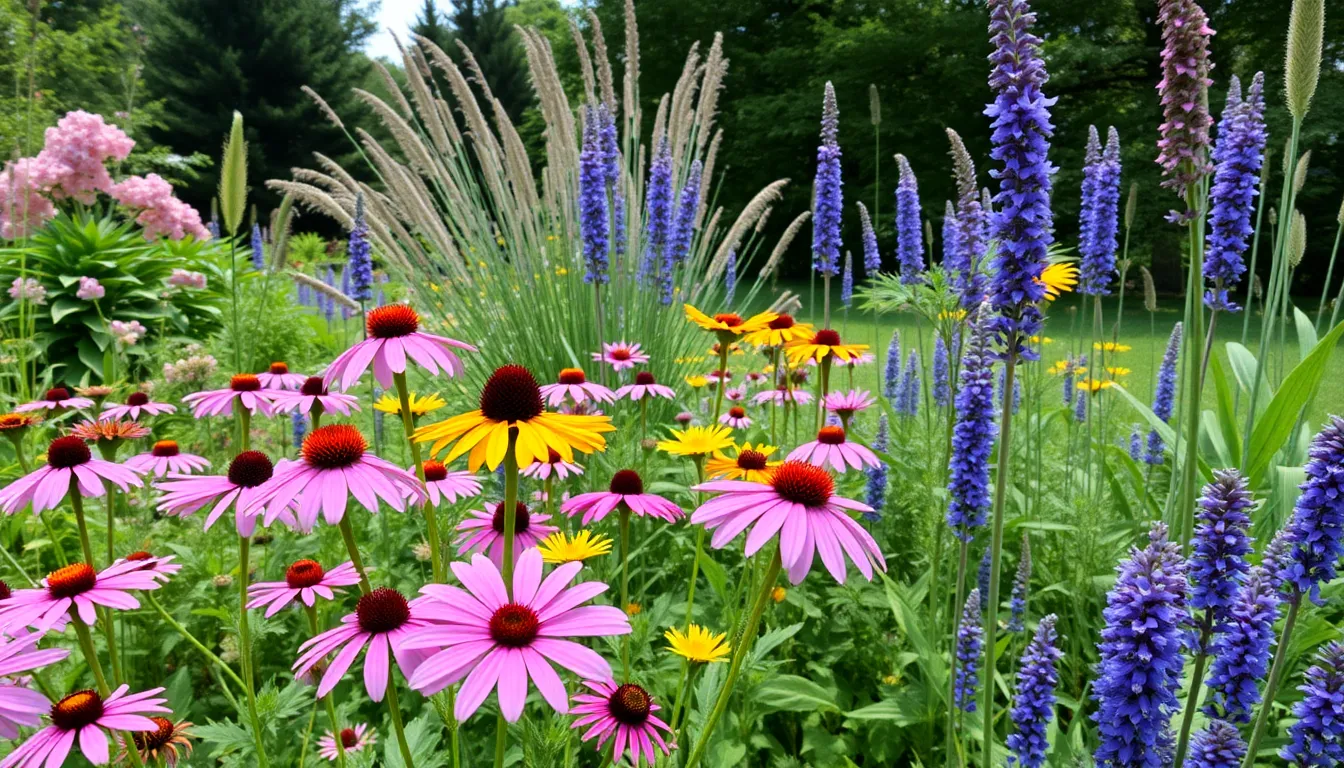
Native gardens don’t have to look wild. Combine grasses with flowers for texture. Add spring bloomers like wild columbine, summer stars like purple coneflower, and fall color from asters. The result? Something’s always happening, and your yard never looks tired.
Think Layers
Nature doesn’t do flat. Plant in layers—tall grasses in back, medium flowers in the middle, groundcovers up front. This gives birds places to hide and butterflies spots to rest. Plus, it looks good from the street.
Leave the Leaves
Here’s a secret: those dead leaves and stems? They’re not mess—they’re habitat. Many native Illinois plants host overwintering insects. Leave some debris until spring, and you’ll help next year’s pollinators get a head start.
Top Native Illinois Plants to Try
Not sure where to start? Here are some native Illinois plants that work for most yards:
- Purple Coneflower (Echinacea purpurea): Big, bold, and beloved by bees and butterflies.
- Butterfly Weed (Asclepias tuberosa): Bright orange flowers, monarch magnet.
- Little Bluestem (Schizachyrium scoparium): Blue-green grass, turns copper in fall.
- Wild Bergamot (Monarda fistulosa): Lavender blooms, minty scent, attracts hummingbirds.
- Prairie Dropseed (Sporobolus heterolepis): Fine-textured grass, smells like popcorn when in bloom.
- Wild Columbine (Aquilegia canadensis): Red and yellow flowers, blooms in spring shade.
- New England Aster (Symphyotrichum novae-angliae): Purple flowers, late-season pollinator feast.
Check with local nurseries or the Illinois Native Plant Society for more options. Avoid big-box stores—they often sell cultivars that aren’t true natives.
Who Should (and Shouldn’t) Plant Natives?
If you love a tidy, golf-course lawn, native Illinois plants might frustrate you. They move, reseed, and sometimes flop over. But if you want a yard that buzzes with life, changes with the seasons, and asks less of you, natives are your new best friends.
They’re perfect for:
- People who want less mowing and watering
- Bird and butterfly fans
- Anyone tired of fighting nature
They’re not for:
- Perfectionists who want every blade in place
- People who hate surprises (plants will move around!)
Next Steps: Bringing Native Illinois Plants Home
Ready to try native Illinois plants? Start with a few favorites. Watch what happens. You’ll see more birds, more butterflies, and maybe even a neighbor or two stopping to ask, “What’s your secret?”
Here’s the real payoff: you’re not just planting flowers. You’re rebuilding a piece of Illinois, one yard at a time. And that’s something to feel good about—every time you step outside.